A surge of tropical moisture is about to challenge Houston's stifling summer heat, bringing not only relief but also a threat of flooding. A shift in the weather pattern prepares Southeast Texas for a soggy and stormy weekend.

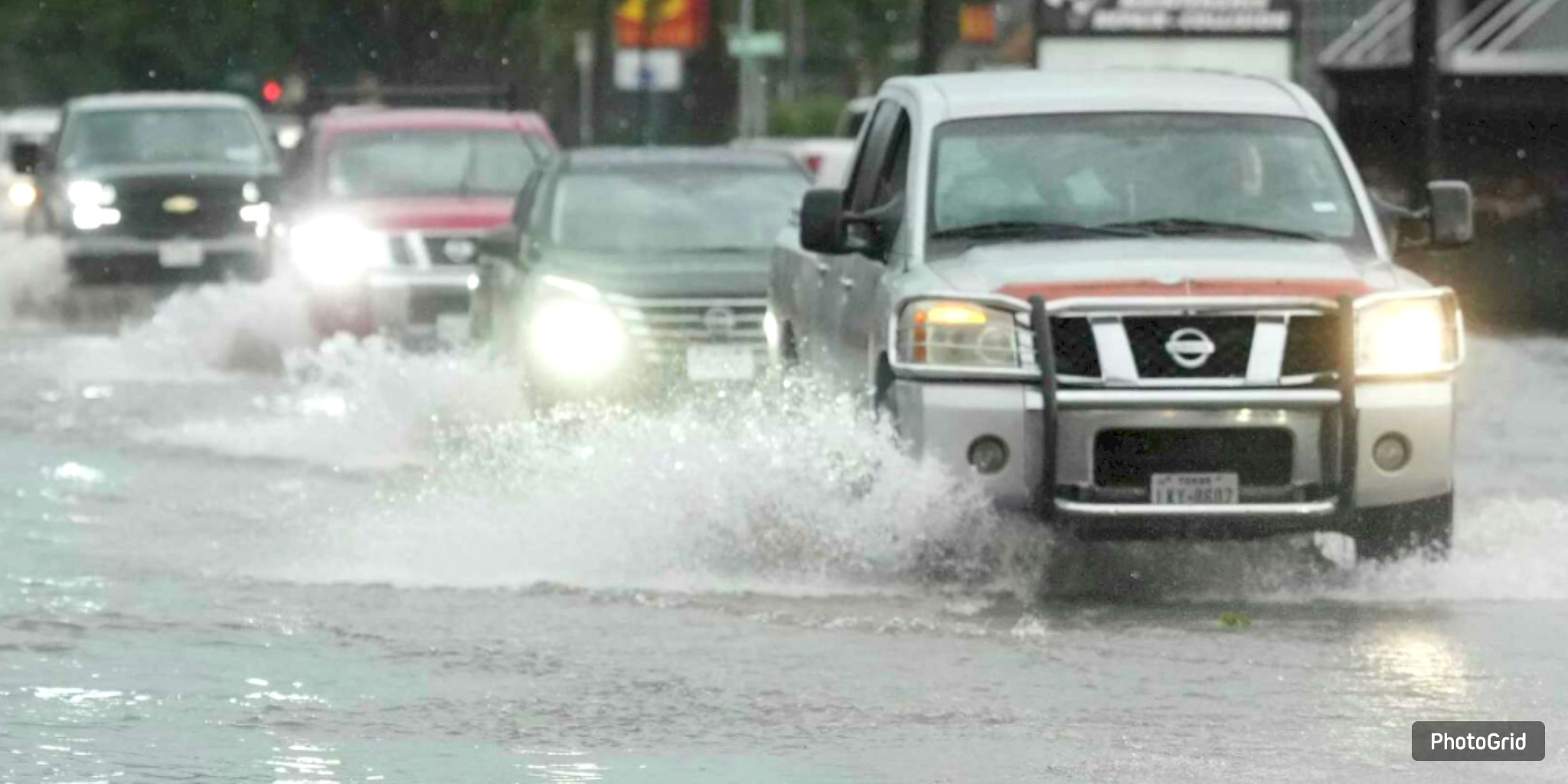
Houston is experiencing a change in the weather after days of extreme heat, but it is not all good news. Moving in from the Gulf of Mexico, tropical moisture is making it cooler, but it is also increasing the likelihood of floods and dangerous humidity as the weekend approaches.
On Friday morning, the low temperatures are expected to be warm and around 80°F, accompanied by mist and patches of fog. Although it is slightly more incredible than the last few days, the extra humidity will make it feel like 103–107°F in the afternoon, which is hot enough to cause heat exhaustion or heat stroke. People need to stay hydrated, stay inside during the hottest parts of the day (12–5 p.m.), and never leave kids or pets in cars.
When deep tropical moisture comes over Southeast Texas on Friday afternoon, that is when things start to get scary.
The Weather Prediction Center says there is a slight (5%) chance that flooding will happen in the Houston area. It is expected to rain 1 to 2 inches by evening, with additional storms possible on Saturday. One in four places south of I-10 will experience flash floods, most often in the evening when people are driving home.
Friday:
Saturday:
Sunday:
The Gulf storm has a 10% chance of developing into a tropical depression, but it will still impact the area. This weekend, the Houston metro area is expected to experience flooded roads, flash floods, and extremely high temperatures.