Houston restaurants, deeply connected to New Orleans, are rallying to support victims of the Bourbon Street terror attack with fundraisers and donations.

.jpg)
Reflecting Houston's deep ties to New Orleans, the culinary scene is supporting the victims as the world laments the 14 lives lost in the horrific Bourbon Street terror assault.
This week oysters have fresh significance at Oyster King Tiger 2 Dozen, a northwest Houston restaurant co-owned by Jackquel Johnson from New Orleans. Sunday's sales from the restaurant will be used partially toward the victims of the catastrophe.
Emphasizing the personal link they feel to their community, Johnson added, "Something to be able to give back to the city we love."
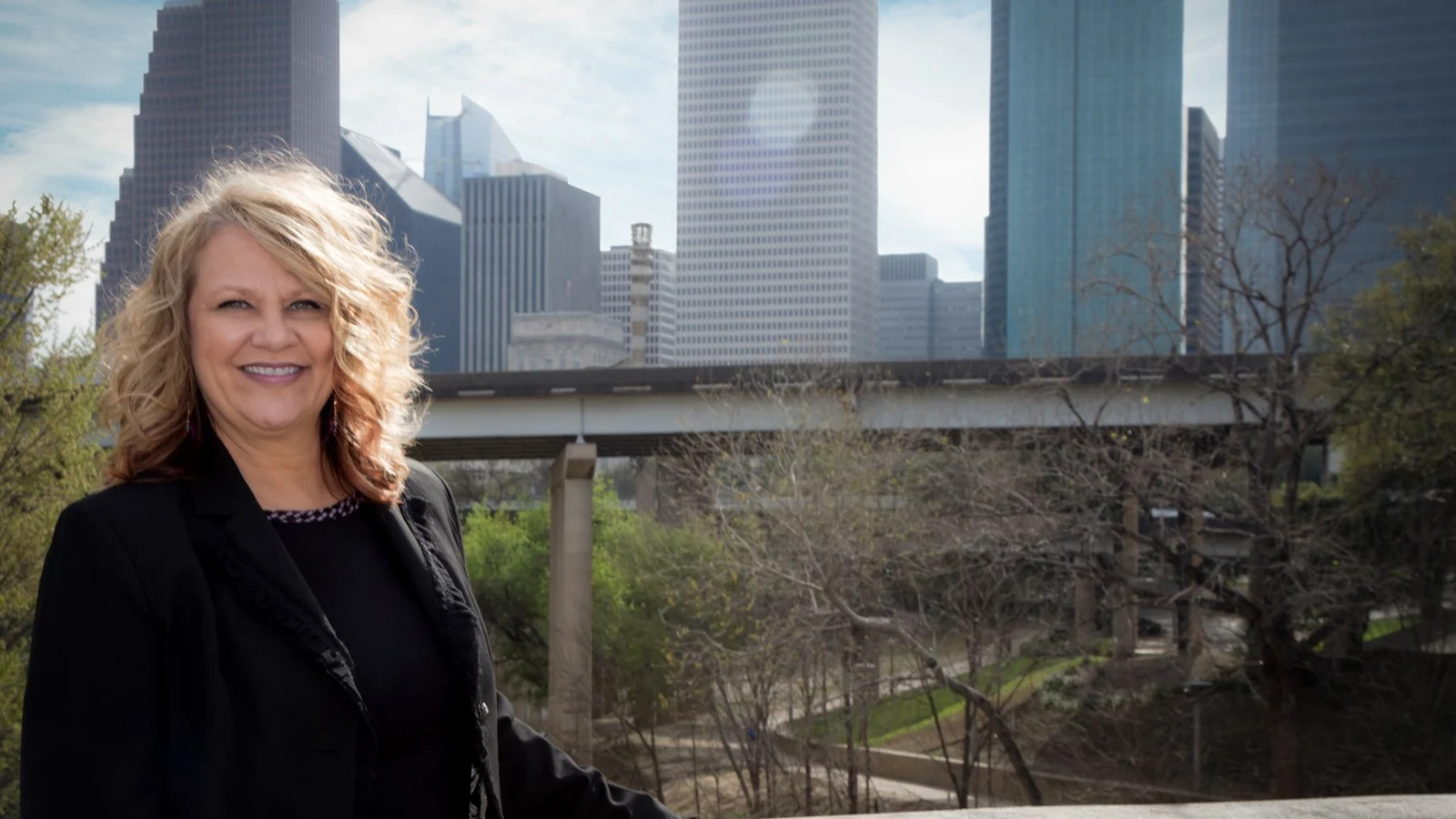
Texas and Louisiana have a close relationship, as Houston community leader Dr. Candice Matthews pointed out "These restaurants immediately stepped up to assist when we observed terrible terrorist activity in New Orleans," she said.
Other Houston companies are also helping out in this regard. Kevin McCraw owns Quotes, a north Houston restaurant, which will double contributions received there. With many New Orleans locals among his clientele, McCraw sees this as a chance to demonstrate solidarity.
This terrorist does not reflect Houston. We do, McCraw declared. "Let's exhibit what Houston is about."
Online donations to Oyster King Tiger 2 Dozen's fundraiser can be done via Instagram, @tiger2dozen for those unable to visit personally.
By means of community projects, Houston celebrates its ties to New Orleans and exhibits fortitude in the face of disaster.