The Houston City Council voted to scale back police cooperation with federal immigration authorities, eliminating a 30-minute hold requirement tied to ICE administrative warrants and adding new reporting rules, in a move backed by Mayor John Whitmire.
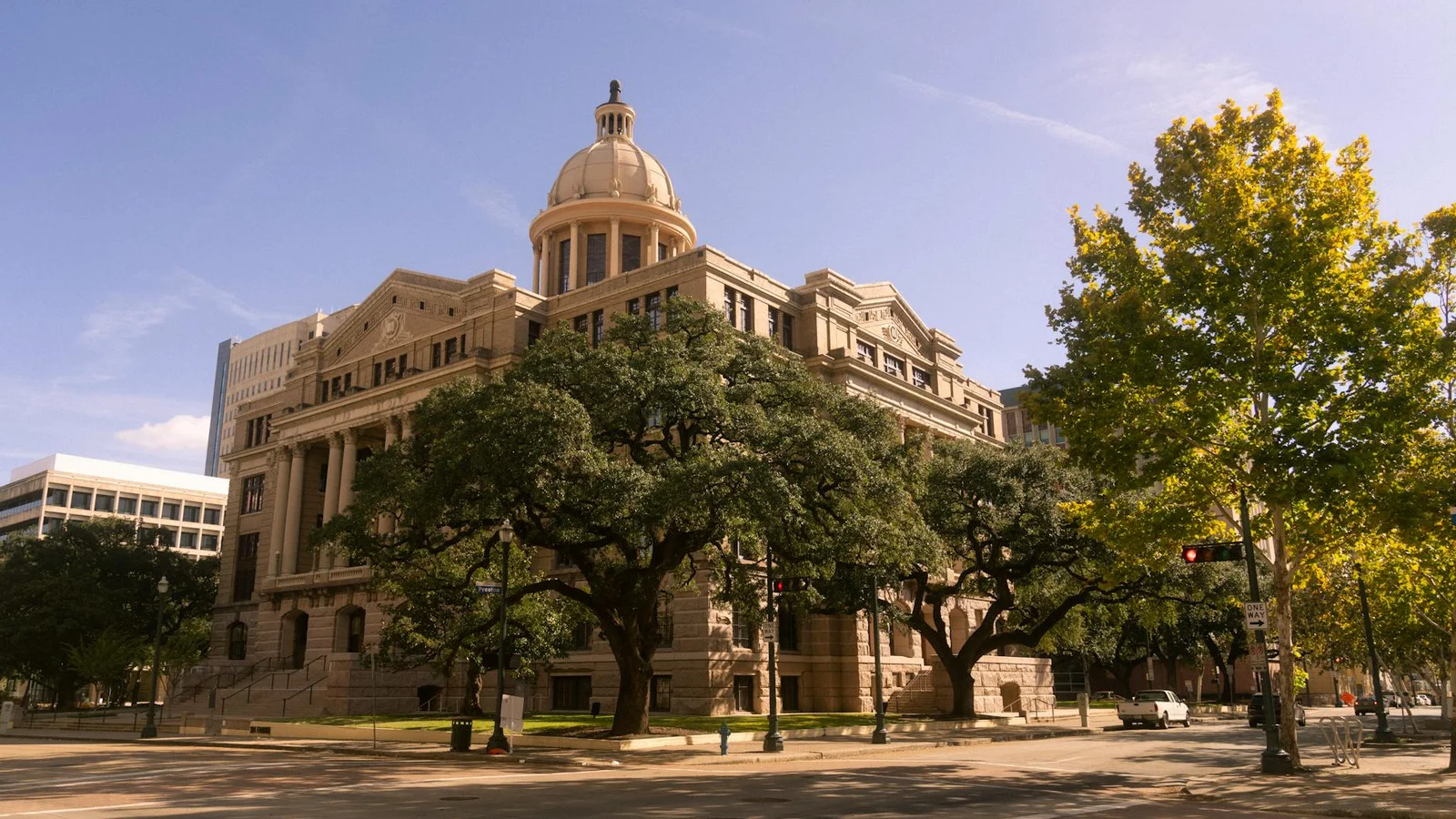
On Wednesday, the Houston City Council took decisive action by approving modifications to city policy that limit police cooperation with U.S. Immigration and Customs Enforcement. This move effectively reverses a recently enacted rule and introduces new requirements to enhance transparency.
The measure was approved with a vote of 12-5, receiving backing from Mayor John Whitmire. He stated that the updated policy is in accordance with state and federal law and takes into account the community's concerns.
The proposal, put forth by council members Alejandra Salinas, Edward Pollard, and Abbie Kamin, seeks to remove the mandate that officers wait up to 30 minutes for ICE agents to assume custody of individuals identified through administrative warrants. The directive also mandates police leadership to produce regular reports detailing the Houston Police Department’s collaboration with federal immigration authorities.
City officials announced that the recent change effectively undoes a policy adjustment made just weeks prior by Whitmire and Police Chief Noe Diaz. This decision follows reports indicating that officers had been transporting individuals to ICE agents, although the administrative warrants involved were civil documents, not criminal ones.
“I’m backing this initiative because it signifies our commitment to listening,” Whitmire stated. “I’m grateful to be residing in Houston, Texas, where we adhere to the law.”
A third provision, which would have allowed officers the discretion to decide whether to contact ICE, was halted from consideration after City Attorney Arturo Michel cautioned that it might conflict with state law and put funding at risk. The council members who sponsored the initiative challenged that interpretation and indicated that the matter might resurface for further discussion.
Advocates contended that the ordinance delineates officers' responsibilities and enhances public confidence, especially within immigrant communities.
“The existing federal immigration dragnet and HPD policies are placing officers in a challenging predicament,” stated Council Member Julian Ramirez, who supported the measure. “Are we aiming for the most efficient force we can create … or are we looking to establish a deportation force?” It’s simply not possible to have both.
Critics expressed concerns about the unclear legal framework and potential operational risks. In a unified declaration, five council members opposing the measure expressed concerns that the alteration might lead to confusion among officers and potentially subject the city to lawsuits.
The updated policy clearly states that officers are not allowed to hold individuals for longer than necessary to finish a traffic stop or investigation, regardless of whether that occurs before any prior waiting time has elapsed.
The discussion comes in the wake of increased scrutiny of ICE administrative warrants, which expanded substantially under immigration enforcement policies that began in 2025. Officials in Houston are currently navigating the complexities of local law enforcement's response, especially following reports that indicated officers have, on several occasions, handed individuals over to ICE custody.
In the aftermath of the vote, the Houston Police Officers’ Union strongly disapproved of the decision, warning that it would oppose elected officials who backed the measure.
Supporters of the ordinance among council members indicated that additional discussions are expected as the city works through the complexities of immigration enforcement and local policing priorities.